Pakistan has presented an ambitious investment pipeline worth over $28 billion to a high-level Saudi Arabian delegation, marking a significant escalation in economic cooperation between the two nations. The comprehensive portfolio, spanning 40 major projects across critical sectors, represents Pakistan’s strategic push to attract foreign capital and stabilize its economy through transformative infrastructure and industrial development.
Strategic Economic Partnership Takes Center Stage
The 16-member Saudi delegation, led by Prince Mansour bin Mohammed Al Saud, received detailed presentations during the Saudi-Pakistan Joint Business Council meeting in Islamabad. This high-stakes diplomatic and business engagement underscores both nations’ commitment to deepening their economic ties beyond traditional oil and remittance relationships.

Commerce Minister Jam Kamal Khan emphasized the transformative nature of these discussions, stating that the outcomes will differ significantly from typical business-to-business agreements. Instead, the focus centers on “structural and concrete steps” that will reshape Pakistan’s economic landscape and reduce its persistent trade deficits.

Energy Sector Dominates Investment Landscape
The energy sector commands the largest share of the investment pipeline, with several mega-projects designed to enhance Pakistan’s industrial capacity and energy security. The crown jewel is a $10 billion greenfield refinery project, representing a completely new facility that would dramatically expand Pakistan’s petroleum processing capabilities.
Additional energy investments include a $2.1 billion brownfield refinery upgrade, a $5 billion naphtha cracker complex for local petrochemical production, and the $3.6 billion Diamer Basha Dam hydroelectric project. These initiatives collectively address Pakistan’s energy infrastructure gaps while positioning the country as a regional energy hub.
Manufacturing and Infrastructure Development
Pakistan’s manufacturing sector features prominently in the investment portfolio, with an $1.8 billion integrated steel mill project leading industrial development efforts. The pharmaceutical sector receives significant attention through $500 million allocations each for active pharmaceutical ingredient (API) production and injectable drug manufacturing, potentially transforming Pakistan into a regional pharmaceutical manufacturing center.
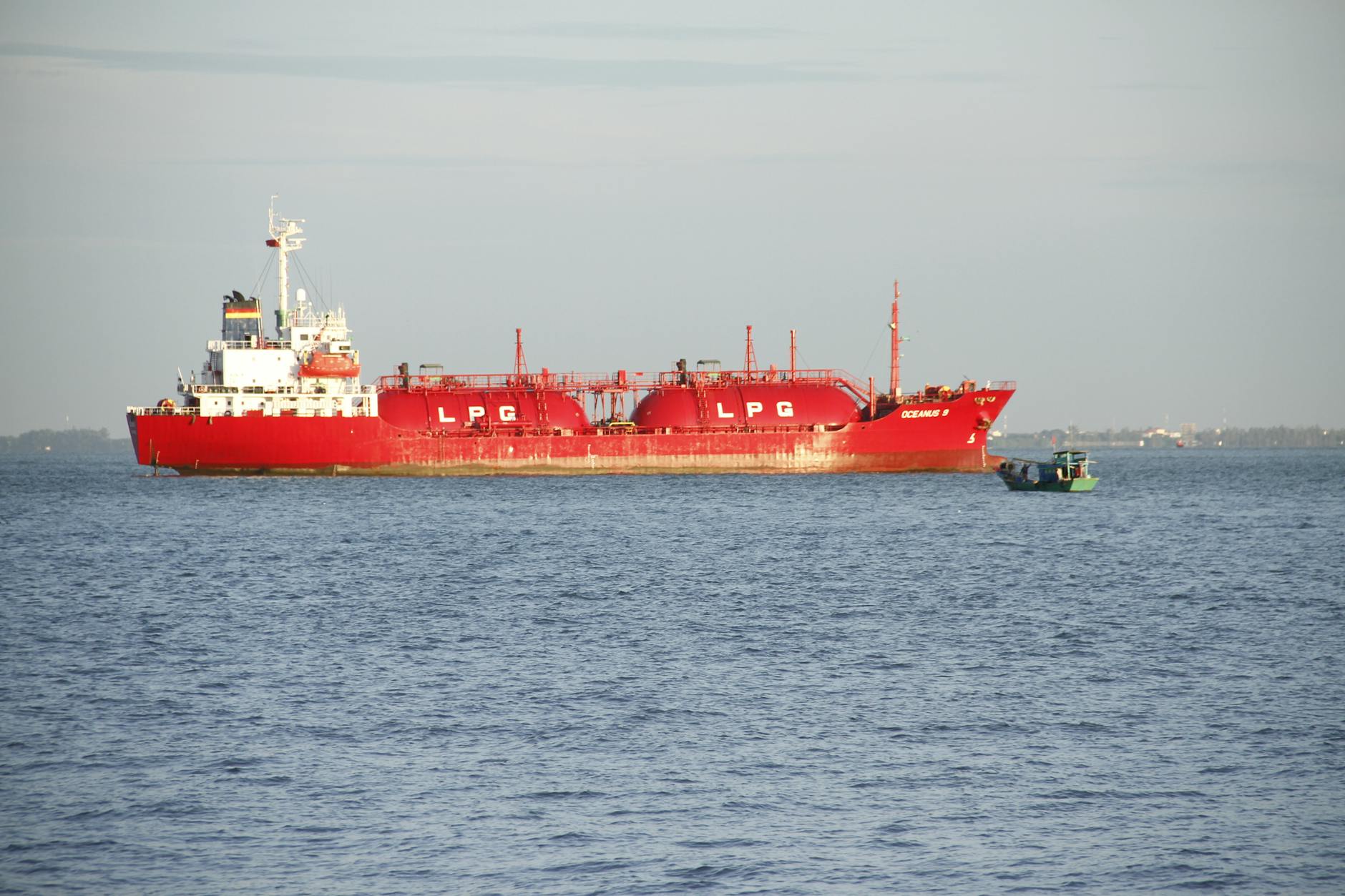
Infrastructure development encompasses $2.3 billion in motorway projects covering the M6, M10, and M13 routes, alongside a $500 million liquefied petroleum gas (LPG) storage terminal and a $250 million clean petroleum terminal. These projects aim to enhance Pakistan’s connectivity and logistics capabilities.
Agricultural and Food Security Initiatives
The agricultural portfolio addresses food security and export potential through targeted investments in processing and livestock sectors. Projects include $210 million for shrimp farming and potato and onion processing facilities, $150 million for rice milling and maize processing operations, and $100 million for beef and mutton supply chain development.
Supporting infrastructure includes $136 million in grain storage silos, essential for food security and agricultural export capabilities. These investments align with Pakistan’s agricultural strengths while creating value-added processing opportunities.
Specialized Sectors and Tourism Development
Healthcare infrastructure receives attention through a $200 million human vaccine manufacturing facility, potentially enhancing Pakistan’s pharmaceutical capabilities and regional health security. The tourism sector features a unique $50 million heritage hotel restoration project focused on Chamber House, demonstrating commitment to cultural preservation and tourism development.
Real estate development includes $120 million in mixed-use luxury projects, targeting both domestic and international markets while supporting urban development initiatives.
Implementation Framework and Timeline
The Special Investment Facilitation Council (SIFC), a hybrid civil-military body established to expedite foreign investment, coordinates the implementation process. SIFC Secretary Jamil Ahmed Qureshi indicated that concrete announcements regarding memorandums of understanding and agreements will emerge by week’s end, with formal signings scheduled for the Riyadh follow-up forum on October 25-26.
This systematic approach builds upon previous success, as 16 of the 34 MoUs worth $2.8 billion signed in October 2024 have already converted to formal agreements, demonstrating the partnership’s practical implementation capacity.
Economic Context and Strategic Importance
Saudi Arabia’s role extends beyond investment, serving as Pakistan’s largest remittance source with over $9 billion in annual inflows. The kingdom also provides critical balance of payments support through $5 billion deposits with Pakistan’s central bank and oil supplies on deferred payment terms.
For Saudi Arabia, this partnership supports economic diversification efforts as the kingdom reduces oil dependency. For Pakistan, these investments represent a pathway toward economic stability, supported by a $7 billion International Monetary Fund program and positioning as an alternative investment destination to China and India.
Future Prospects and Regional Impact
The upcoming Riyadh forum will feature both government-to-government and business-to-business agreement signings, potentially cementing Pakistan’s position as a strategic investment destination. This economic cooperation follows a landmark defense pact signed between the nations, indicating comprehensive bilateral relationship development.
The success of this investment pipeline could establish a model for Pakistan’s engagement with other Gulf Cooperation Council members and international investors, potentially triggering broader economic transformation across South Asia’s second-largest economy.
The scale and scope of these proposed investments signal a new chapter in Pakistan-Saudi relations, moving beyond traditional aid and remittance relationships toward comprehensive economic partnership that could reshape both nations’ economic trajectories in the coming decades.